10 Things to Expect From a Weight Loss Injections Clinic
Posted by Royal Clinic
Filed in Health 1 view
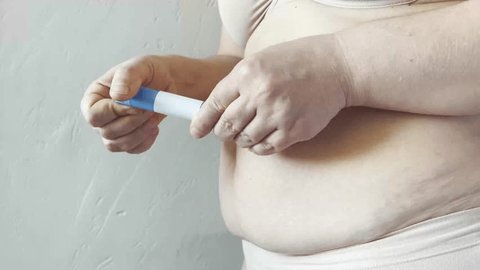
Choosing a medical clinic for weight management involves more than finding a place that offers injectable treatments. A reputable provider should offer a structured process that begins with understanding a patient’s health, weight-management goals, medical history, current medications, and suitability for treatment. Weight Loss Injections in Dubai are prescription-based medical treatments in many cases, so responsible care involves appropriate assessment, individualized treatment planning, and continued monitoring rather than simply receiving an injection.
Patients can also expect different approaches depending on the clinic. Some providers focus on GLP-1-based medications and other prescription weight-management options, while others may offer localized fat-dissolving injections or complementary wellness services. The distinction matters because injections intended for chronic weight management are not the same as cosmetic injections designed to target small areas of localized fat.
In Dubai, clinics offering injectable weight-management services commonly describe consultation, treatment selection, dosage planning, progress monitoring, and lifestyle guidance as parts of the patient journey. For example, Dynamic Life Clinics describes a process involving health assessment, injection selection, personalized dosing, and follow-up monitoring. YAH Polyclinic likewise describes medically supervised weight-management injections alongside nutritional and lifestyle guidance.
A good clinic should therefore make the process understandable from the beginning. Patients should know what type of treatment is being considered, why it may be appropriate, what monitoring is required, and what realistic progress can look like. The following guide explains what patients can reasonably expect when visiting a professional clinic for injectable weight management in Dubai.
A Detailed Initial Consultation
The first appointment should involve considerably more than discussing a desired number on the weighing scale. A professional consultation may involve reviewing medical history, current medications, previous weight-management attempts, lifestyle habits, and relevant health considerations.
The provider may also assess body weight, BMI, metabolic concerns, and other factors before deciding whether an injectable treatment is appropriate. Dynamic Life Clinics, for example, states that its assessment reviews health status, medical background, weight, and goals before an injection and dosage plan is selected.
This assessment helps distinguish between a patient who may be suitable for a prescription weight-management medication and someone who may need another approach.
A Treatment Plan Based on Individual Needs
Patients should not expect every person to receive the same medication or dosage. Different injectable medicines have different mechanisms, dosing schedules, indications, and considerations.
Tajmeels Clinic lists several weight-management injectable options, including Mounjaro, Wegovy, and Ozempic, and explains that treatment selection and dosage can depend on the individual’s requirements.
A responsible clinic should explain why a particular option is being considered rather than presenting one injection as universally suitable. The treatment plan may also change over time according to response, tolerance, and clinical assessment.
Clear Guidance About the Injection Process
The actual injection is usually only one part of the treatment journey. Patients should receive clear instructions about how frequently treatment is administered, whether the medication is self-administered or given at the clinic, and what schedule the healthcare professional recommends.
For example, Dynamic Life Clinics describes different schedules depending on the injection, with options such as weekly or daily administration.
A professional consultation should also give patients an opportunity to ask questions about the medication, dosage progression, storage requirements where relevant, and what to do if a scheduled dose is missed.
Ongoing Progress Monitoring
Weight management should not be treated as a one-time appointment. Follow-up allows the healthcare team to determine whether the selected approach is working appropriately and whether the treatment plan requires adjustment.
Dynamic Life Clinics specifically describes regular follow-ups for monitoring weight-loss progress and evaluating the patient’s response to treatment. YAH Polyclinic also describes regular check-ins as part of its medically supervised approach.
Monitoring can help keep expectations realistic while giving the patient an opportunity to discuss changes in appetite, weight, lifestyle habits, or overall wellbeing.
Access to Professional Support at Tajmeels Clinic
Tajmeels Clinic offers injectable weight-management services in Dubai and describes its approach as medically supervised, with treatment options including weight-loss injections. Its published information explains that treatment duration and dosage may vary according to individual requirements and that maintenance involves ongoing treatment and lifestyle measures.
Patients considering Weight Loss Injections at Tajmeels Clinic can therefore expect an initial consultation to determine suitability and discuss the appropriate treatment approach. The clinic also distinguishes injectable weight-management treatments from its separate weight-loss IV-drip service, making it important for patients to understand exactly which therapy is being discussed during consultation.
A Broader Weight-Management Approach at Dynamic Life Clinic
Dynamic Life Clinics presents weight management as a process involving assessment, treatment selection, individualized dosing, and progress monitoring. Its published information lists options such as Wegovy, Saxenda, Mounjaro, and Ozempic and describes treatment plans according to patient needs.
Patients can expect discussions around the injection schedule and how treatment fits into broader lifestyle changes. The clinic also describes nutritional and weight-management support as part of its wider weight-loss services.
The key takeaway is that injectable medication should be viewed as one component of a managed weight-loss plan rather than an isolated procedure.
A Medically Guided Experience at Enfield Royal Clinic
Enfield Royal Clinic offers weight-management services in Dubai that include weight loss injection therapy. Its published information explains that the clinic evaluates individual cases and recommends an appropriate option based on the patient’s concerns and circumstances.
Patients should expect the consultation to be an important part of the process. Rather than assuming that one treatment suits everyone, a professional approach involves discussing the patient’s weight-management objectives and determining which available method is appropriate.
This type of individualized process is particularly relevant when considering Weight Loss Injections, because eligibility, medication choice, dosage, and monitoring can differ between individuals. Patients should also have the opportunity to discuss realistic expectations and how lifestyle habits may influence longer-term weight management.
Personalized Guidance at YAH Polyclinic
YAH Polyclinic in Dubai publishes information about medically supervised weight-loss injections and describes personalized plans based on individual health needs and goals. Its guidance discusses appetite regulation, metabolic support, consultation, monitoring, and lifestyle measures as parts of the overall approach.
Patients can expect the clinic to consider whether treatment is appropriate before prescribing or recommending an injectable option. YAH Polyclinic also states that medical assessment and, where required, blood testing may form part of the evaluation process.
The clinic separately offers fat-dissolving injections for localized fat reduction, which is a different treatment concept from prescription medications used for overall weight management.
Targeted Injectable Options at SnB Aesthetic Clinic
SnB Aesthetic Clinic offers injectable treatments that include Mounjaro for weight management as well as fat-dissolving injections for localized areas. Its Mounjaro information describes tirzepatide as a once-weekly medication that acts on GLP-1 and GIP receptors and states that consultation is part of the treatment process.
The clinic also describes fat-dissolving injections as a non-surgical approach for localized fat deposits, including areas such as the chin and abdomen.
This distinction is useful for patients because “weight loss injection” can refer to different categories of treatment. A consultation should clarify whether the goal is broader weight management or localized body contouring.
A Focus on Safety and Appropriate Treatment Selection
Safety should be central to any medical weight-management program. Patients should expect the provider to review relevant health information before recommending an injectable medication and to explain important precautions.
A credible clinic should also avoid promising a specific amount of weight loss to every patient. Response can differ according to the medication, dosage, health status, adherence, nutrition, physical activity, and other individual factors.
Patients should ask what monitoring is required and when they should return for review. They should also disclose existing medications and relevant medical conditions so the healthcare professional can make an informed assessment.
Lifestyle and Nutrition Guidance
Injectable treatment does not eliminate the importance of nutrition and physical activity. Clinics commonly position weight-management injections alongside dietary and lifestyle changes rather than as a replacement for healthy habits.
YAH Polyclinic’s published guide recommends combining medically supervised injections with structured nutrition and exercise, while Tajmeels Clinic also emphasizes maintaining lifestyle measures during treatment.
Patients can therefore expect discussions about eating patterns, hydration, physical activity, and sustainable habits. The purpose is to create a weight-management strategy that can continue beyond the initial treatment period.
How to Choose the Right Clinic for Weight Loss Injections
Experience and Qualifications
Look for a clinic that provides treatment under appropriately qualified healthcare professionals and makes its medical credentials transparent. Patients should be able to understand who is responsible for assessment, prescribing where applicable, administration, and follow-up.
Technology and Techniques
Ask which injectable treatments are offered and whether the clinic clearly explains their intended purpose. A clinic should distinguish prescription weight-management medicines from cosmetic fat-dissolving injections and other wellness therapies.
Safety Standards
A professional provider should conduct an appropriate medical assessment before treatment. Patients should also receive clear instructions about dosing, follow-up, and when to contact the clinic.
Consultation Process
The consultation should be two-way. Patients should have enough time to explain their goals and medical background while receiving understandable information about the proposed treatment.
Patient Experience
Convenient follow-up, clear communication, privacy, and accessible support can make a significant difference during a longer weight-management program. A clinic should make it easy for patients to ask questions between appointments when appropriate.
Expected Results
Avoid providers that guarantee a particular outcome. Instead, ask how progress will be measured, how frequently treatment will be reviewed, and what happens if the initial approach does not produce the expected response.
Frequently Asked Questions
Are weight loss injections suitable for everyone?
No. Suitability depends on factors such as health status, medical history, current medications, weight-related concerns, and the specific medication being considered. A healthcare professional should assess the individual before treatment.
How long does it take to see results from weight loss injections?
The timeline varies between individuals and medications. Some patients may notice changes in appetite or weight relatively early, while meaningful weight-management results generally require consistent treatment and lifestyle changes over time. YAH Polyclinic notes that more significant results may develop over several months.
Do weight loss injections replace diet and exercise?
No. They are generally used as part of a broader weight-management strategy. Nutrition, physical activity, sleep, and other lifestyle factors can influence treatment response and long-term weight management.
Are all weight-loss injections the same?
No. Different medications can act through different biological pathways and have different indications and dosing schedules. Cosmetic fat-dissolving injections are also different from prescription medicines intended for broader weight management.
Should patients continue follow-up after starting treatment?
Yes. Follow-up allows the healthcare professional to assess progress, review the patient’s response, and determine whether the treatment plan needs adjustment. Regular monitoring is an important component of responsible medical weight management.
Conclusion
A professional weight-management clinic should provide much more than an injection appointment. Patients can expect an assessment of their individual circumstances, an appropriate treatment plan, clear dosing guidance, progress monitoring, safety information, and practical support for sustainable lifestyle changes. The right approach also recognizes that different injectable treatments serve different purposes and that results vary from person to person. When considering Weight Loss Injections, patients should focus on transparent medical guidance, qualified care, realistic expectations, and consistent follow-up so that treatment decisions are based on individual health needs rather than promises of guaranteed results.